


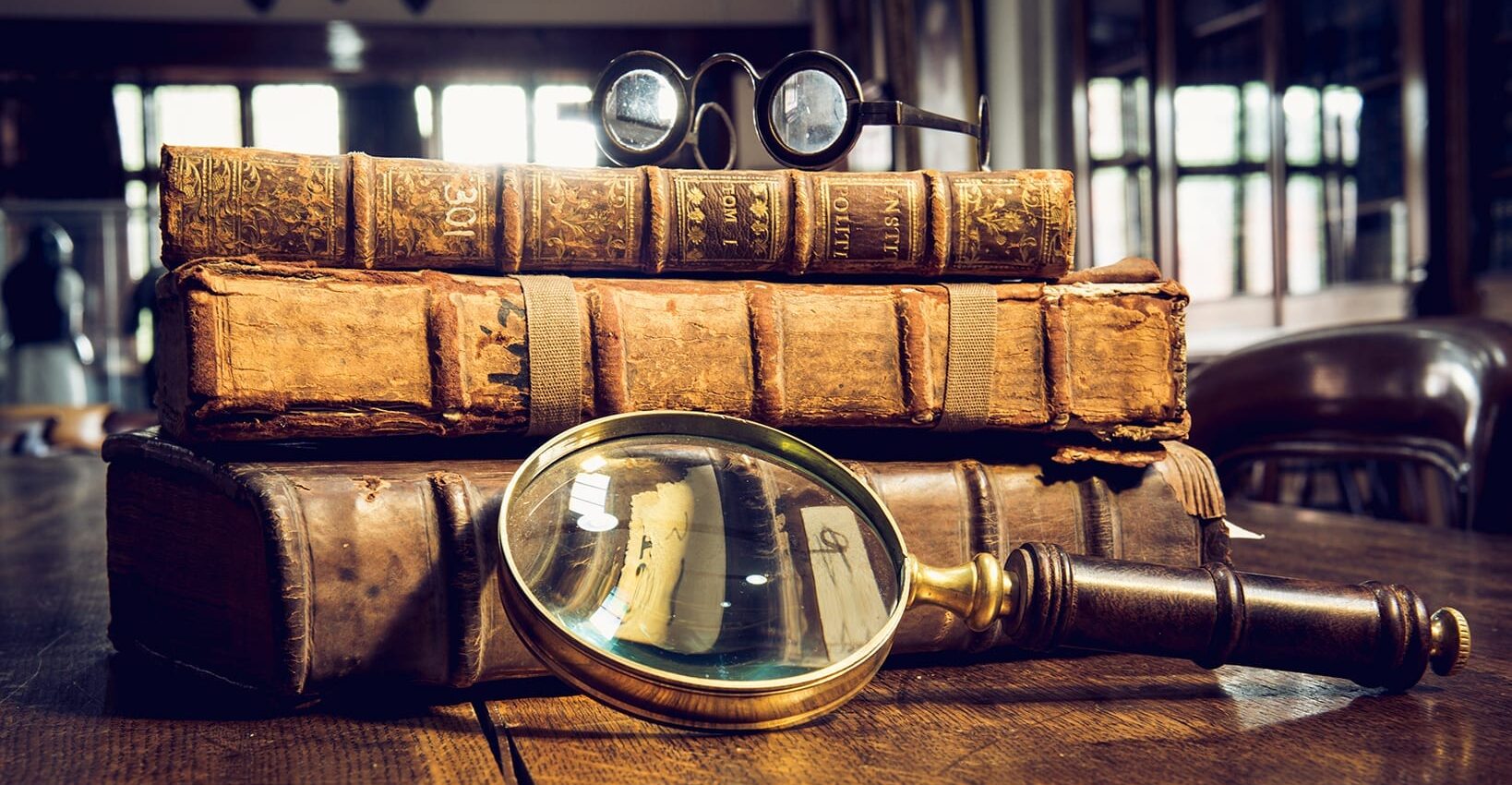
Being awarded £45,880 from Art Fund, the national charity for museums and galleries, enabled plans to be set in place for the first large-scale redisplay of the Society’s collections in more than a century. We are currently re-imagining how we tell the stories of our collections and how we share them with the world.
The collaboration brings together a diverse team of young people, early-career heritage professionals, and our ‘Collections Champions’. Together, they are helping select the objects as well as researching, recording and telling the previously undiscovered tales.
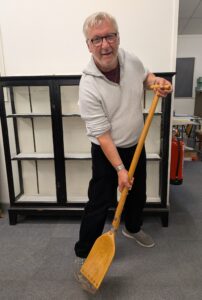
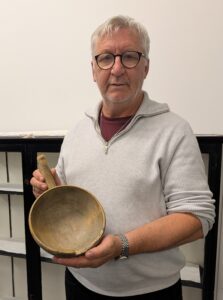
We spoke to Keith Davis, one of the community volunteers who’s making his mark on the project, to see how he’s involved and what he hopes to achieve, ready for the museum reopening in spring 2027.
____________________________________________________
 What interests you about the Museum Reimagined project?
I’ve always been fascinated by history, even from school. I’m intrigued by how the world changes over time and how we evolved as individuals and communities. In history, you’ve got the big things, but the little things really matter too. I’ve always loved discovering how things are made. Looking at some of the machines in the Victorian era and beyond, it’s amazing to know that someone’s thought about solutions to problems, invented them, and had the technology to work out how to actually do it.
Why did you decide to get involved with the Collections Champion opportunity?
I worked in engineering before retiring last year, and have been volunteering with Spalding Gentlemen’s Society since the start of 2026. I saw the volunteer role and thought I’d really like to get involved. It’s a once-in-a-lifetime opportunity, isn’t it? It’s been 100 years since the collection has last been fully re-curated and put out in the public domain. We can learn so much from it. I think we often lose track of where we come from, what we’ve made, and what we’ve done. People walk around museums and think, “That’s nice”, but I also like to know the stories behind the artefacts.
What is it you enjoy most about being involved with the research?
The object is the end result. But how did that object come to be? What did it take to actually make, develop, or paint it? That’s the interesting part. I’ve been working with walking sticks from the collection. It is very specialist, and might sound a bit strange, but I take between eight and 12 photographs of a walking stick to record any damage or anything that’s been done to it. I zoom in on any interesting parts, and take really detailed photographs. So ideally, when somebody wants to look at the collections in 20 or 30 years’ time, maybe longer, then all the information is preserved in an easily accessible system. It helps with the conservation team as well, to assess the condition of artefacts and work out what they need to do next. And if any academics are coming in or if a student is doing their dissertation they can gain information about a specific item or object.
Why are these artefacts important to Spalding and to the people who live here?
Again, it reflects how the region has developed over the years. One of the other things I’m doing too, as part of the Victoria County History project, is to look at weather. That might sound a bit daft, but in the past we didn’t have the infrastructure that supported people if it was a bad winter. If there were plagues, high winds, or flooding, crops would fail and there might possibly be famine. Did you know that in 1947 there were major floods in Spalding? All of it has an impact on the people living here.
 How will you feel when the museum reopens?
I’ll feel that we’ve given something back to the community. People can return to the museum and reconnect with the long history of the town, Maurice Johnson’s work, and the collections and discover how important it all is. Until I moved down here, I’d never heard of Spalding Gentlemen’s Society. So it’s important to get the information out there into the public domain, because it’s good for the museum and it’s good for the town. In the run-up to reopening, I’d love to to see big posters about the reopening in empty shop units to create something positive and joyful.
What are you most proud of so far?
I think the photography. That’s going to have such a long-lasting impact, isn’t it? Also, when preparing artefacts, a group of about six or seven volunteers and I spent about three weeks cleaning a large world map, which was quite an undertaking! We tried brushes, we tried soap sponges, but the best way we found to get the dirt off (because it was absolutely filthy) was to brush very fine rubber scrapings over it. You don’t know until you try it!
What are the benefits to getting involved with volunteering?
Spalding Gentlemen’s Society encourages well-being and mental health. Many organisations pick up on those phrases, but it really does make a difference here. I’d love to see us continuing to get more involved with the local colleges and the schools and to make the collections accessible to everyone, so there are no barriers to getting involved. I would say to anyone thinking about volunteering, come and give it a go!
____________________________________________________
Discover more
- To see about volunteering with Spalding Gentlemen’s Society, email volunteer@sgsoc.org or visit www.sgsoc.org/volunteering
Find out more about Museum Reimagined.
See about becoming a Member of Spalding Gentlemen’s Society.


Leave a Reply
You must be logged in to post a comment.